


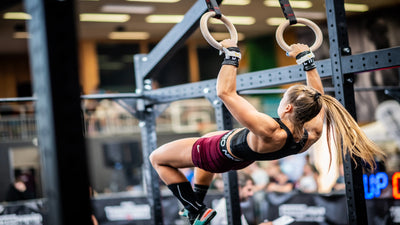
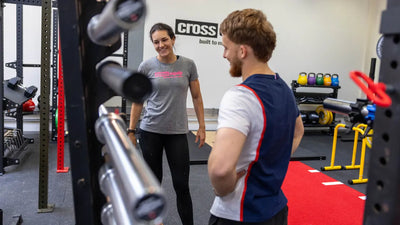
Nicole, Tim, and many others are already raving about our products
Foam Roller
Foam Roller
 Covers a whole thigh in one pass – 46 cm foam roller
Doable for beginners too – medium firmness
Rolls gently over the back – smooth surface
High enough for hip and shoulder – 15 cm diameter
Covers a whole thigh in one pass – 46 cm foam roller
Doable for beginners too – medium firmness
Rolls gently over the back – smooth surface
High enough for hip and shoulder – 15 cm diameter

Couldn't load pickup availability
Perfect match
Complete your setup
Usually ready in 24 hours
Foam Roller
-
cross equip Schweiz
Pickup available, usually ready in 24 hours
Schanzstrasse 1
8330 Pfäffikon ZH
Switzerland+412160746
Description
What happens when you roll on a foam roller
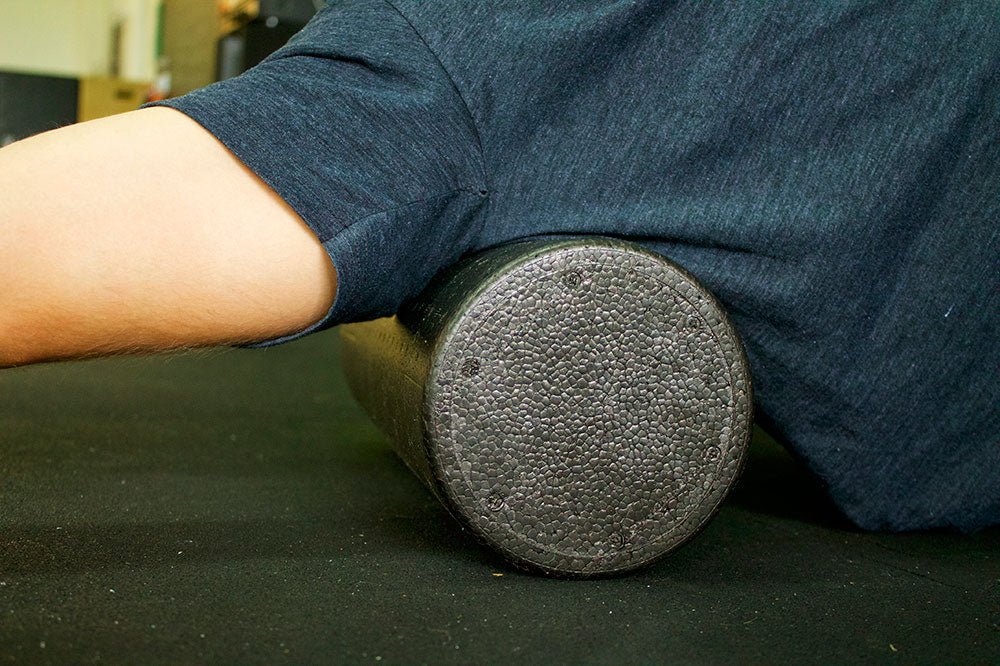
You lay the back of your thigh on the roller and roll slowly from the back of your knee up towards your glutes. The spot warms up, blood flow picks up, and after a few passes it feels looser. Whether adhesions in the connective tissue really come apart, or whether it is mainly your pain perception that shifts, is something research still hasn't settled. On the result it has: right after rolling you get measurably further into the movement, without losing strength for the next set.
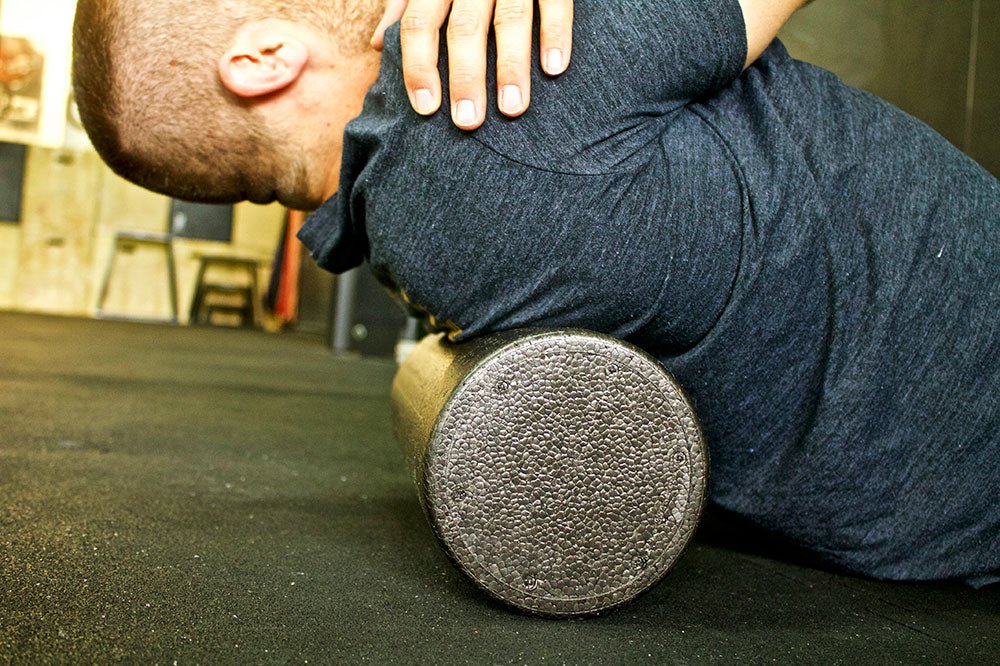
That is what the foam roller is there for before and after training: a few passes over thighs, calves and upper back, then the same again afterwards, just slower. At 46 cm you cover one thigh in a single pass, and laid crosswise under your back it reaches across the full width.
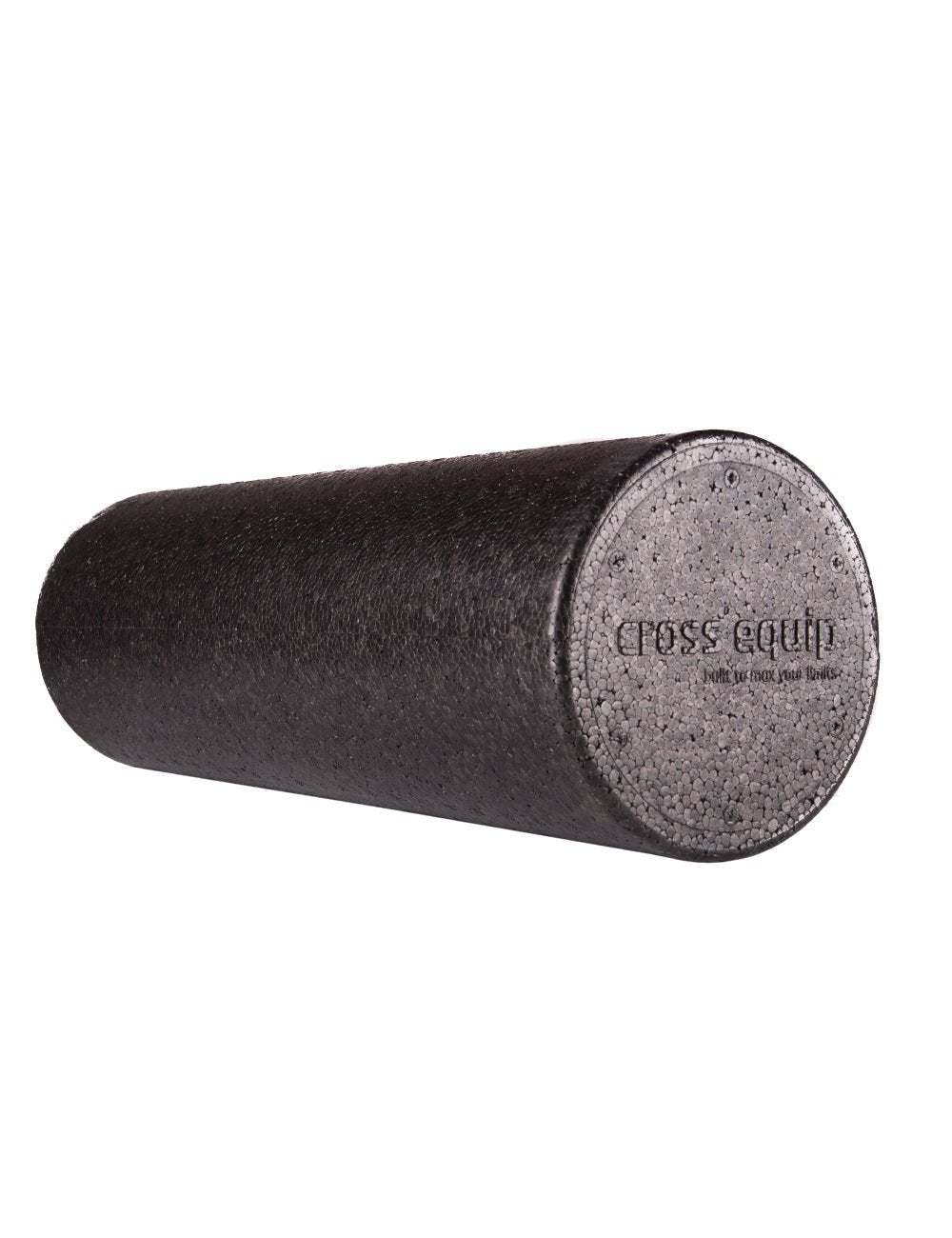
Smooth instead of knobbed – why this foam roller is the easier place to start
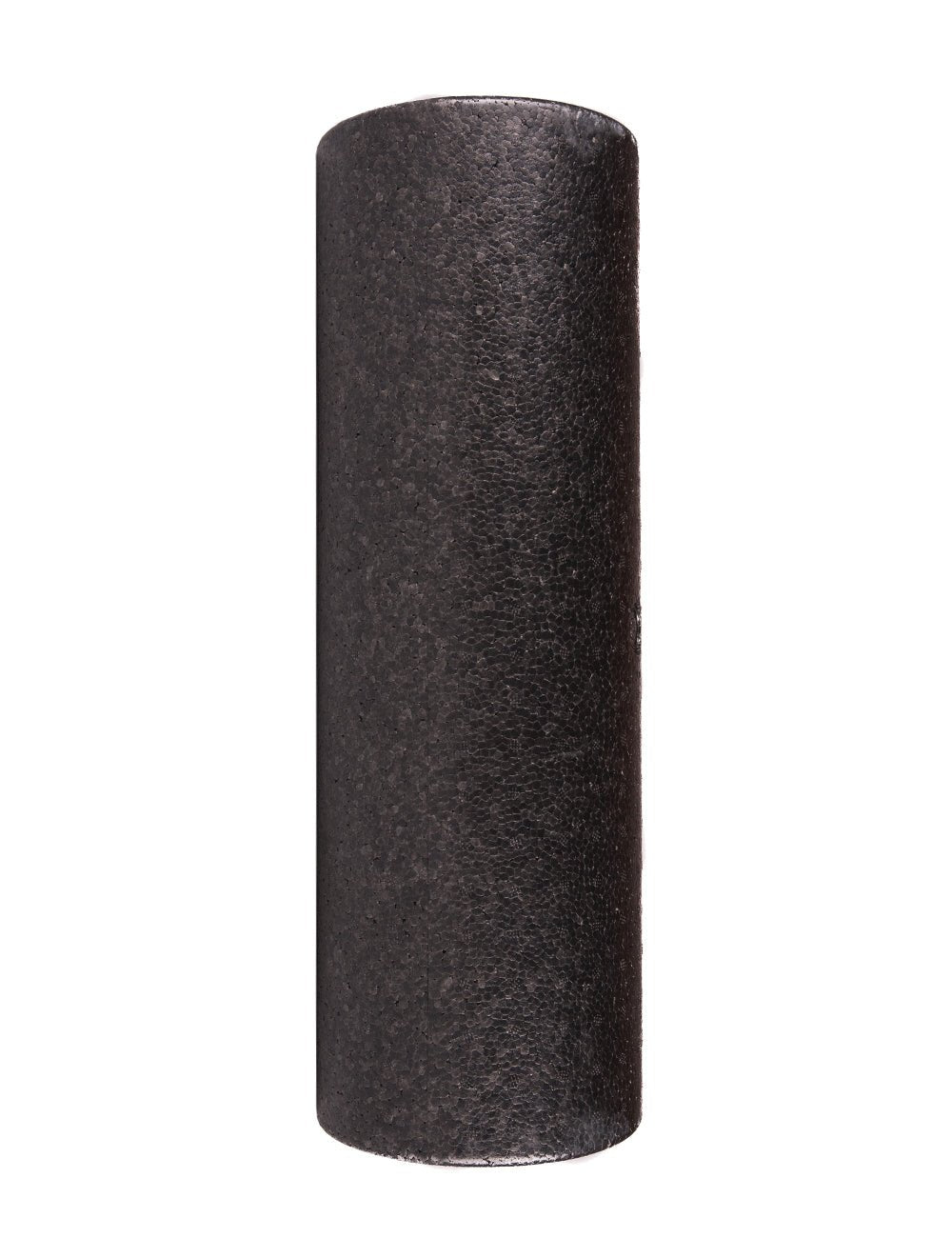
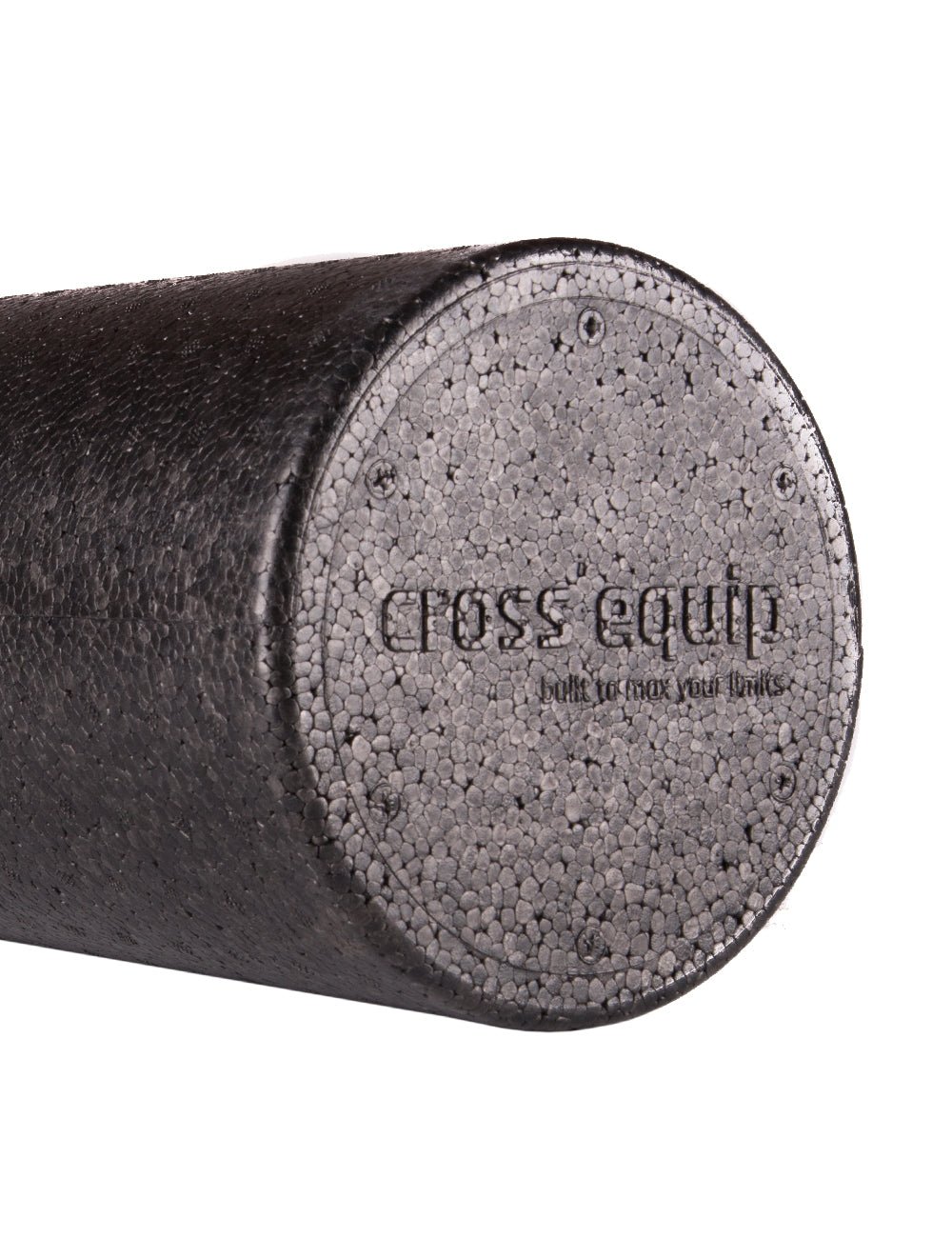
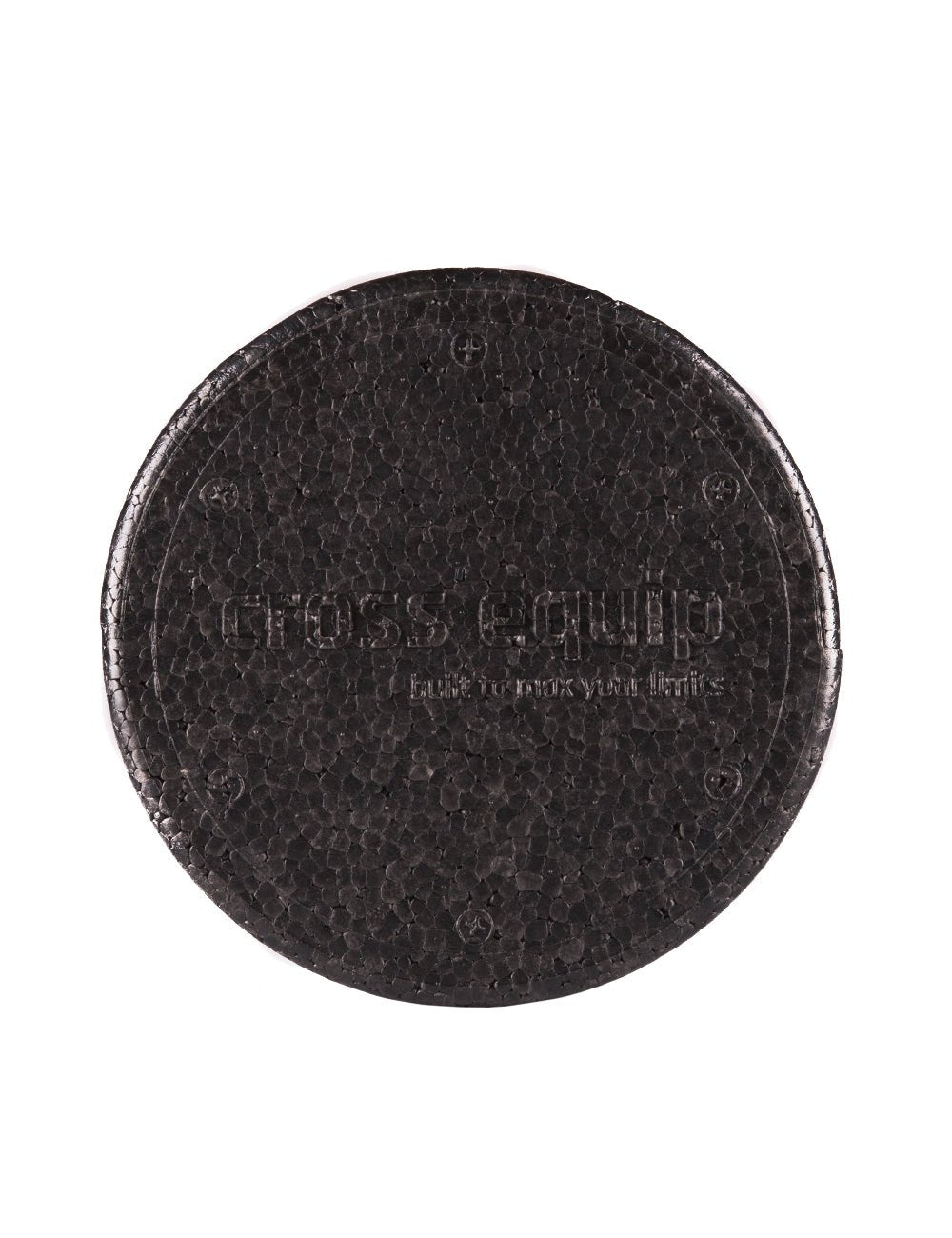
The surface is smooth the whole way round, no knobs and no profile. The pressure spreads across the whole surface instead of pushing into single points. The roller runs softer underneath you, and you last longer on one spot. That is exactly what you want when you roll for the first time, or work over sensitive spots like the upper back.
The foam is medium firm: it doesn't squash flat under your weight, but it doesn't hurt straight away either. The 15 cm diameter gives you enough height for hip and shoulder – the floor stays out of your way. If you want to work more pointedly, you take the Grid Foam Roller with its knobs. At 32 cm it is a good deal shorter, though.
Technical Specifications
| Material | Hardened foam |
|---|---|
| Firmness | Medium |
| Length | 46 cm |
| Diameter | 15 cm |
| Surface | Smooth, no knobs |
| Colour | Black |
| Unit | 1 piece |
Foam Roller vs. Grid Foam Roller vs. Foam Ball
| Criterion | Foam Roller | Grid Foam Roller | Foam Ball |
|---|---|---|---|
| Dimensions | 46 × 15 cm | 32 × 12.5 cm | Ø 10 cm |
| Material | Hardened foam | Rubber | Hardened foam |
| Surface | Smooth | Large rounded knobs | Smooth |
| Pressure | Spread across the area | Bundled onto the knobs | Onto a single point |
| Strength | Large muscle groups | Single spots | Single points |
| As a first roller | Yes | Rather as a second | No – an add-on |
Starting out with rolling, or covering large areas, this is the roller you take. If you want to work single spots more pointedly, you reach for the Grid Foam Roller. For single points between the shoulder blades no roller does the job – that's what the Foam Ball is for.
Frequently Asked Questions
What do I need a foam roller for?
Is medium firmness too hard for beginners?
Is the foam roller any good for the back?
Smooth roller or knobs – which one should I take?
How often and how long should I roll?
How do I clean the foam roller?
Customer reviews
For years I ticked rolling off as a chore and left the roller at the very back of the cupboard. That only changed when I started doing a few passes after the hard days – it has been next to my mat at home ever since. It works no miracles, it is a piece of foam. But in our box it is never where it belongs, because somebody always needs it.

Further information
Additional informations
- Brand
- cross equip
- Weight
- 0.6 kg
- Training goals
- Rehab & Prehab
Shipping & Delivery
Our parcel delivery partners:
Small and lightweight parcels are delivered by Swiss Post. We ship larger and heavier parcels via DPD.
Our shipping partner
For larger shipments that need to be transported by truck on pallets, our shipping partner Christian Rüedi AG ensures on-time and damage-free delivery.
Freight deliveries are kerbside only: the driver sets the pallet down at the roadside in front of the delivery address. He does not carry the goods into the building, the basement or your training room.
We offer reliable and fast shipping so you receive your order as quickly as possible.
- Delivery times: In-stock items shipped by parcel usually reach you within 1–2 working days, and as a rule within 4 working days at the latest. Pallet shipments are usually delivered by our freight partner 2–3 working days after receipt of payment. All lead times run from receipt of payment.
- Shipping costs: Shipping costs vary depending on the order quantity and delivery address. These are clearly and transparently displayed at checkout.
- Tracking: After your order has been shipped, you will receive a tracking number via email, which you can use to check the status of your delivery online at any time. Delivery areas: We deliver to Switzerland and Liechtenstein.
- Returns and exchanges: If you are not satisfied with your order, we offer a hassle-free return and exchange policy. Please read our return policy for more information.
- Our customer service team is happy to assist you with any questions or special requests.